Vibrant Fish Aquarium Watercolor Clipart for Creatives
If you have ever scrolled through design asset libraries looking for something that does not feel stiff or overproduced, you already know the frustration. Stock vector art can feel sterile. Photographs require perfect lighting and model releases. But watercolor clipart—specifically a thoughtfully curated set like Fish Aquarium Watercolor Clipart—brings a warmth and organic texture that sits somewhere between illustration and fine art. It is the kind of asset that makes people stop scrolling and actually look.
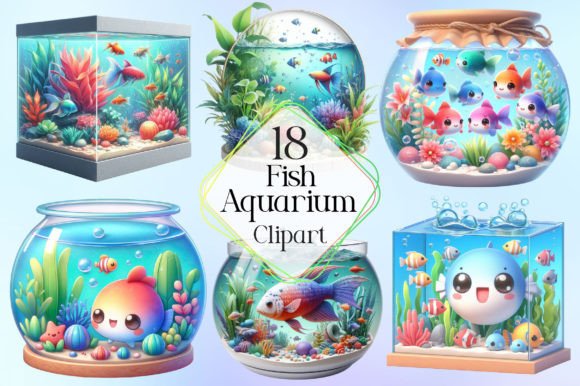
These sets typically feature hand-painted fish, aquatic plants, bubbles, coral, and sometimes entire aquarium scenes rendered in layered watercolor washes. The appeal is not just in the subject matter. It is the unpredictability of the medium itself. Watercolor naturally creates soft edges, gradient transitions, and subtle color bleeds that feel alive. When applied to fish and underwater scenes, that fluidity mirrors the actual movement of water. The result is clipart that does not sit flat on the page—it breathes.
Visual Personality and Style Characteristics
The personality of fish aquarium watercolor clipart is simultaneously whimsical and sophisticated. It can lean toward playful when used in children’s projects or take on a more refined, gallery-like quality for editorial or branding work. The best sets include a range of fish species—betta fish with flowing fins, koi with vibrant orange and white patterns, goldfish with delicate tail movements, and tropical species with bold stripes and spots. Each fish carries its own visual rhythm.
Color palettes in these clipart sets tend to favor aqua blues, teals, coral pinks, soft yellows, and deep navy backgrounds. Some sets include isolated elements on transparent backgrounds, while others offer compositions with painted water and bubble effects. The transparency and layering capability of watercolor clipart is a major advantage for designers. You can place a painted fish behind text, overlay it on a textured paper background, or combine multiple elements to build a custom aquarium scene without losing any of that handcrafted feel.
The style sits comfortably alongside modern typography. Because watercolor has an organic, imperfect quality, pairing it with clean sans serif fonts or subtle script fonts creates a pleasing tension. The clipart provides the emotion and atmosphere. The type provides the structure and readability. That balance is exactly what many branding and editorial projects need.
Where This Clipart Works Best Across Projects
One of the most common questions I hear from fellow designers and small business owners is whether a particular asset is versatile enough to justify the investment. Fish Aquarium Watercolor Clipart earns its place in a creative toolkit because it crosses so many project categories without feeling out of place.
Branding and Logo Design
For businesses related to aquariums, pet stores, marine conservation, seafood restaurants, or even spas with an aquatic theme, this clipart can serve as the foundation for a memorable visual identity. A single betta fish watercolor illustration used as a logo mark feels more personal than a flat vector icon. It communicates care, artistry, and a connection to the natural world. Small business owners selling handmade soap or candles with ocean-inspired scents have used these elements on labels with beautiful results. The watercolor texture complements kraft paper, glass jars, and other natural packaging materials.
Packaging and Product Design
If you are designing packaging for fish food, aquarium supplies, or aquatic-themed gifts, watercolor clipart communicates a premium feel without requiring a custom illustration budget. A well-placed koi or goldfish element on a product label elevates the perceived value. The same applies to tea packaging, bath products, and stationery. The watercolor aesthetic signals that someone took time to care about the details.
Editorial and Publishing
Bloggers and content creators covering aquarium care, fishkeeping, marine biology, or ocean conservation can use these illustrations to break up text and add visual interest. A watercolor fish swimming across a blog header or featured image creates immediate emotional appeal. Digital publishers creating ebooks, guides, or printables about fish species or aquarium setup will find that these assets make the content feel more approachable. Readers respond to warmth, and watercolor delivers it naturally.
Web Design and Social Media Graphics
On websites and social media, Fish Aquarium Watercolor Clipart works well as background texture, icon replacements, or accent elements. A hero section featuring a large, soft watercolor aquarium scene with a typography overlay can set the tone for an entire brand site. For Instagram posts, these elements can frame quotes, announce promotions, or create consistent themed content. Because watercolor graphics are often high-resolution PNG files with transparent backgrounds, they integrate seamlessly into digital layouts without heavy editing.
Personal and Craft Projects
Hobbyists and crafters find endless uses for this clipart. Scrapbooking, bullet journaling, handmade greeting cards, wall art prints, and even fabric transfer designs all benefit from the gentle, artistic quality of watercolor fish. Teachers creating classroom decor or educational materials about aquatic life also appreciate the visually engaging nature of these assets. The commercial licensing options available with many sets also allow selling finished products like prints, cards, and small-batch merchandise.
How Clipart Influences Visual Hierarchy and Brand Perception
Design is about guiding the eye, and watercolor clipart does that in ways that rigid vector graphics sometimes cannot. The soft, graduated tones of a painted fish naturally draw attention because the human eye is wired to notice organic shapes. When you place a watercolor illustration near a headline or call-to-action, the viewer registers the art before the text, but the text then benefits from the emotional context the image provides.
For brand perception, choosing Fish Aquarium Watercolor Clipart signals that a business values craftsmanship and nuance. It suggests patience and attention to detail—qualities that matter in industries like pet care, premium food products, and wellness. A brand that uses watercolor illustrations rather than generic clipart communicates that they are willing to invest in their appearance. That perception directly affects customer trust and willingness to engage.
Consistency is another factor. A single set of watercolor clipart created by the same artist will maintain a cohesive look across your materials. The same brush texture, color harmonization, and painting technique appear in every element. This uniformity strengthens brand recognition. When your audience sees that same soft teal and coral palette with a painted fish silhouette, they associate it with your identity instantly.
Choosing the Right Set and Evaluating Project Fit
Not all fish aquarium watercolor clipart is created equal. When evaluating a set for your next project, start with resolution and file quality. Look for sets that provide at least 300 DPI for print work and transparent PNG files for digital use. Some premium sets include SVG files for scaling, which adds flexibility for large banners or small icons.
Color variety matters. A good set should offer a range of fish species and aquatic elements so you are not forced to reuse the same one repeatedly. Three or four fish illustrations might be enough for a small project, but a comprehensive set with ten or more elements plus coral, bubbles, and plant life gives you room to create rich compositions.
License terms are critical for commercial work. Many marketplaces offer standard licenses that cover personal use and small business products up to a certain sales volume. If you are a designer creating assets for multiple clients or a publisher producing a large print run, confirm that the license covers your specific use case. Extended licenses are often available for merchandise, print-on-demand, and digital products.
Readability and scale also deserve attention. Watercolor clipart with very fine, delicate details may not reproduce well at small sizes. If you plan to use the art as a tiny accent on a business card or mobile screen, look for elements with bolder shapes and higher contrast. For large-scale applications like posters or packaging, highly detailed watercolor paintings shine and reward close inspection.
Practical Recommendations for Designers and Small Business Owners
If you are building a brand identity around aquatic themes, start by selecting three to five core clipart elements that will appear consistently. One hero fish, one supporting element like coral or a bubble cluster, and one background texture are enough to establish a visual system. Use them across your logo, website header, social media profile, and product labels. Repetition builds recognition faster than variety.
For typography pairings, consider a clean sans serif like Montserrat, Open Sans, or Lato to balance the organic clipart. A subtle handwritten script can also work for accent text or taglines, but avoid overly ornate serif fonts that compete with the watercolor texture. The art should remain the emotional center, and the type should support it without fighting for attention.
Test your compositions in grayscale to ensure that the clipart still holds value and contrast without color. This is a trick many experienced designers use. If the watercolor fish disappears or becomes muddy when desaturated, the tonal range may be too narrow, and you might need to adjust placement or add a subtle shadow or outline in your layout software.
Finally, consider building a small library of your own custom brushes or textures inspired by watercolor clipart. Once you see how much personality these assets bring, you may want to create your own variations for projects where a specific fish species or color shift is needed. But for most day-to-day work, a well-chosen set of Fish Aquarium Watercolor Clipart will save you hours of painting time while delivering results that feel anything but generic.
Whether you are designing a logo for a local pet store, creating educational printables for a classroom, or launching a line of ocean-inspired stationery, watercolor clipart offers a shortcut to a handcrafted look that audiences genuinely connect with. It reduces the gap between polished digital design and the warmth of traditional art. And for creative professionals who need to deliver that warmth at scale, that is exactly the kind of asset worth keeping in your toolkit.